
Route · terminate · protect · verify
Plan Fiber Networks from Route to Rack
ENSAA brings cabling, distribution, passive connectivity, equipment-room pathways and field enclosures into a clear optical infrastructure brief.
Access, campus and industrial networks
Indoor and field-ready configurations
Interface-led product comparison

RoutePlan the cable path
ConnectTerminate and distribute
VerifyDocument the link
Deployment building blocks
Choose the System Around the Optical Route
Start with fiber count, pathway and interfaces, then coordinate distribution space, equipment housing, power and environmental protection.
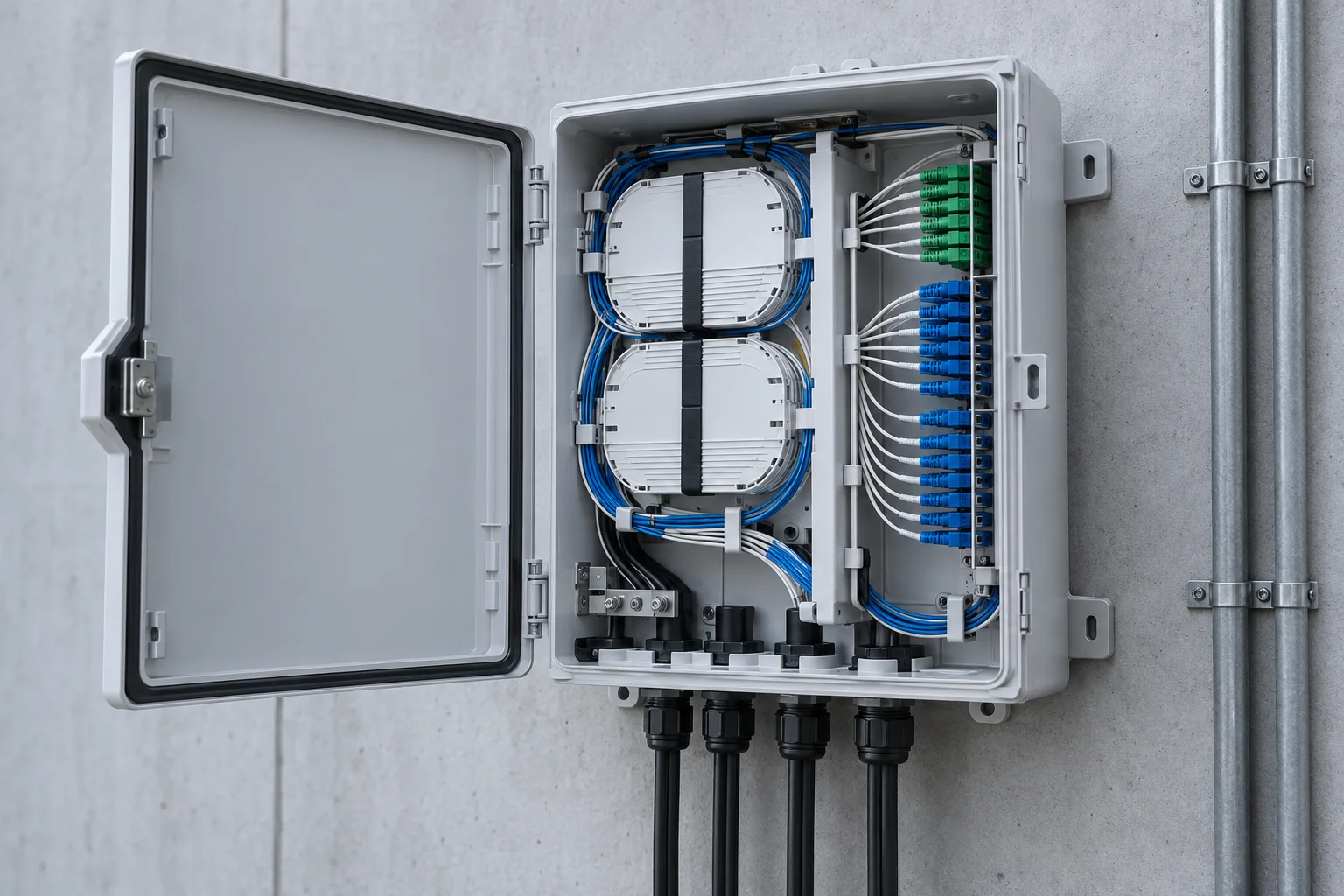
01 · Optical access
Fiber Distribution Systems
Distribution boxes, cross-connect cabinets, ODF panels, terminal boxes and splice closures.
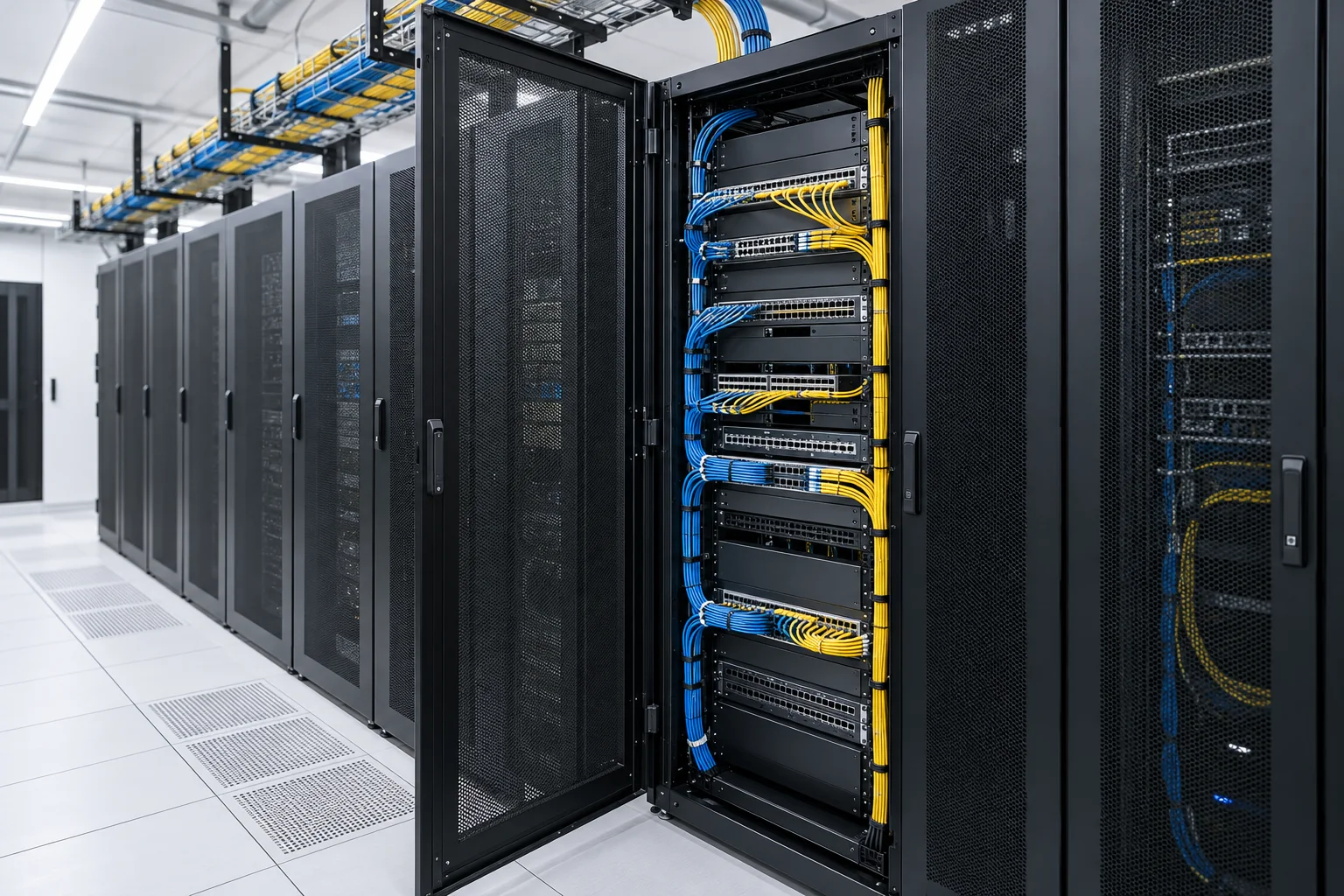
02 · Equipment rooms
Data Center Infrastructure
Network cabinets, integrated racks, cable trays, fiber raceways and aisle-ready layouts.
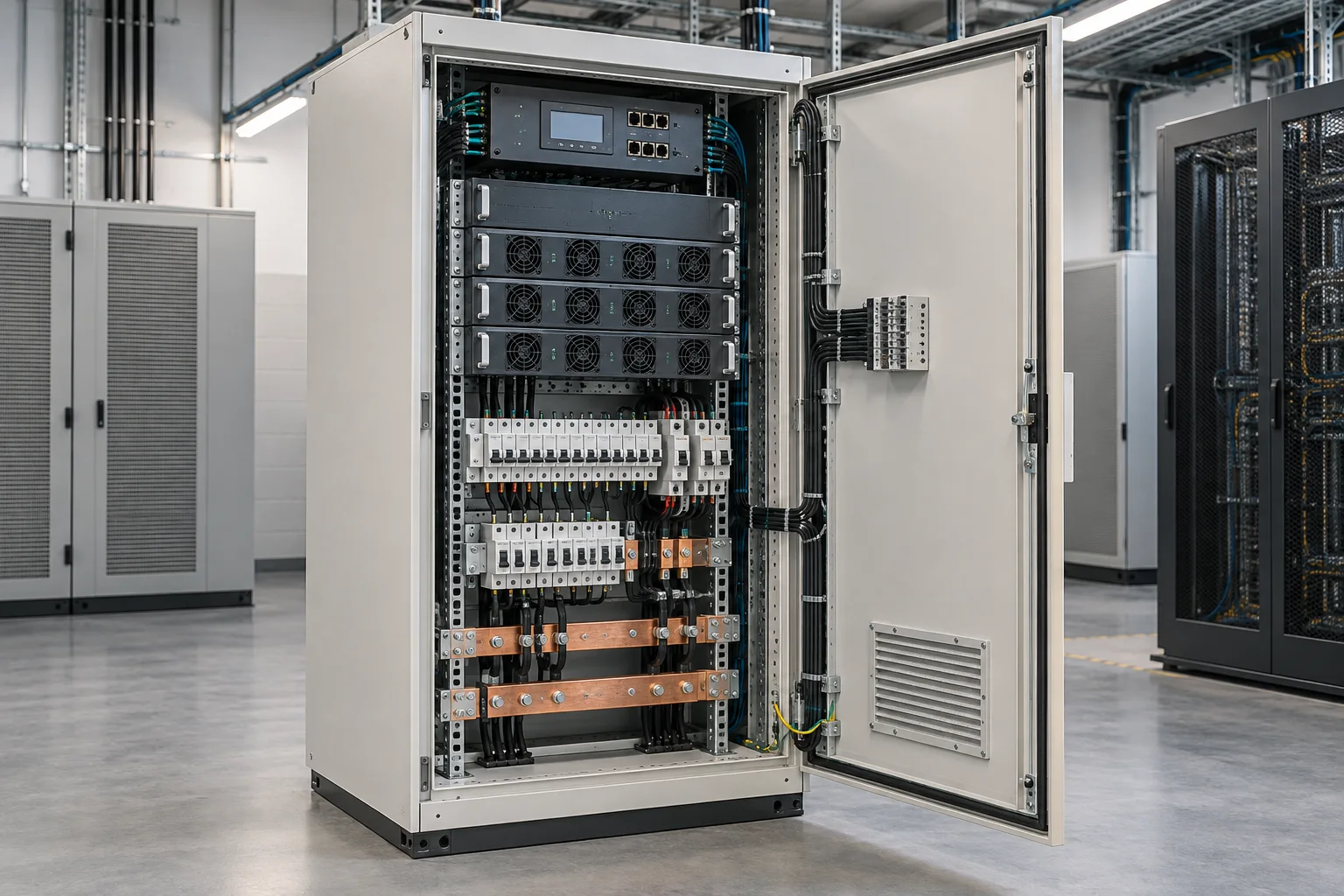
03 · Power path
Telecom Power Systems
AC-DC rectification, integrated power cabinets, PDU cabinets and site distribution.
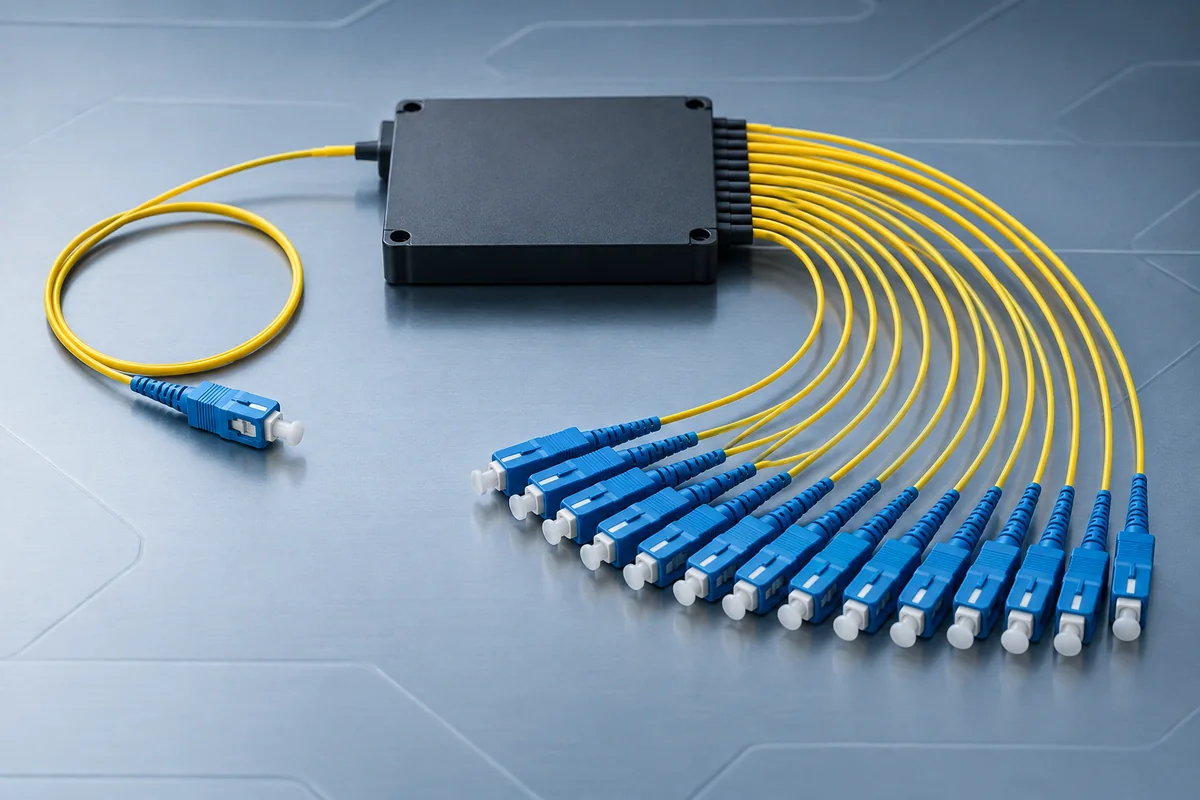
04 · Passive signal path
Passive Optical Components
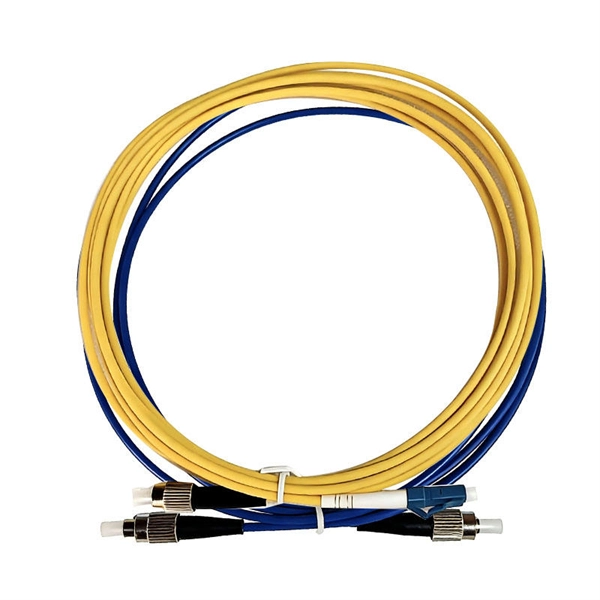
Optical splitters, adapters, attenuators, patch cords, pigtails and CWDM devices.

05 · Cable plant
Fiber Cabling Products
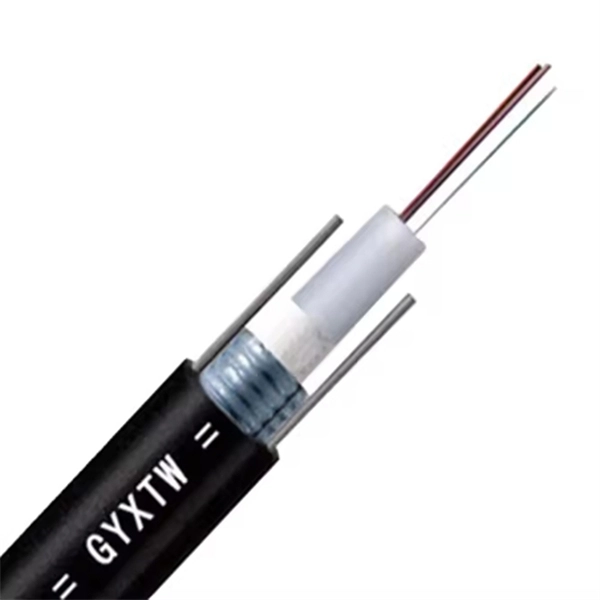
Indoor, outdoor, drop, armored and self-supporting cable for access and site routes.
06 · Field infrastructure
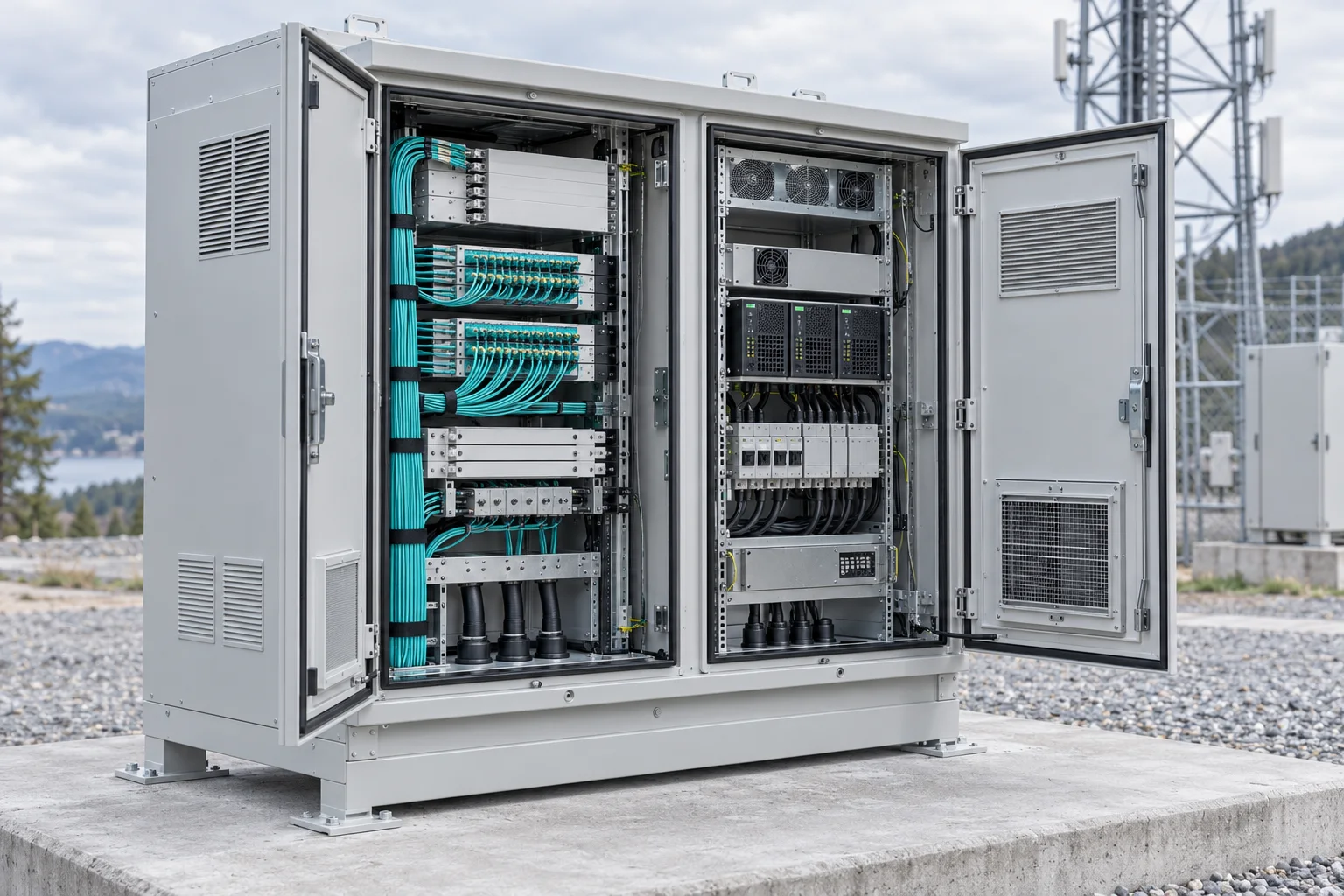
Outdoor Cabinets & Shelters
Weatherproof cabinets, equipment shelters and emergency communication enclosures.
Four checks before selection
Turn a Route Sketch into a Comparable Product Brief
A short interface schedule makes cable, closure, panel, rack and enclosure quotations easier to compare.
Trace the route
Record distance, pathway, building entry, outdoor exposure and every planned transition point.
Count the interfaces
List fiber type, connector format, splice positions, split ratios, ports and active equipment interfaces.
Protect the link
Check bend radius, cable entry, rack space, grounding, thermal load and maintenance clearance.
Define acceptance
Confirm drawings, labels, accessories, loss testing, OTDR evidence and handover documentation.
Network environments
Adapt the Fiber Build to Where It Will Operate
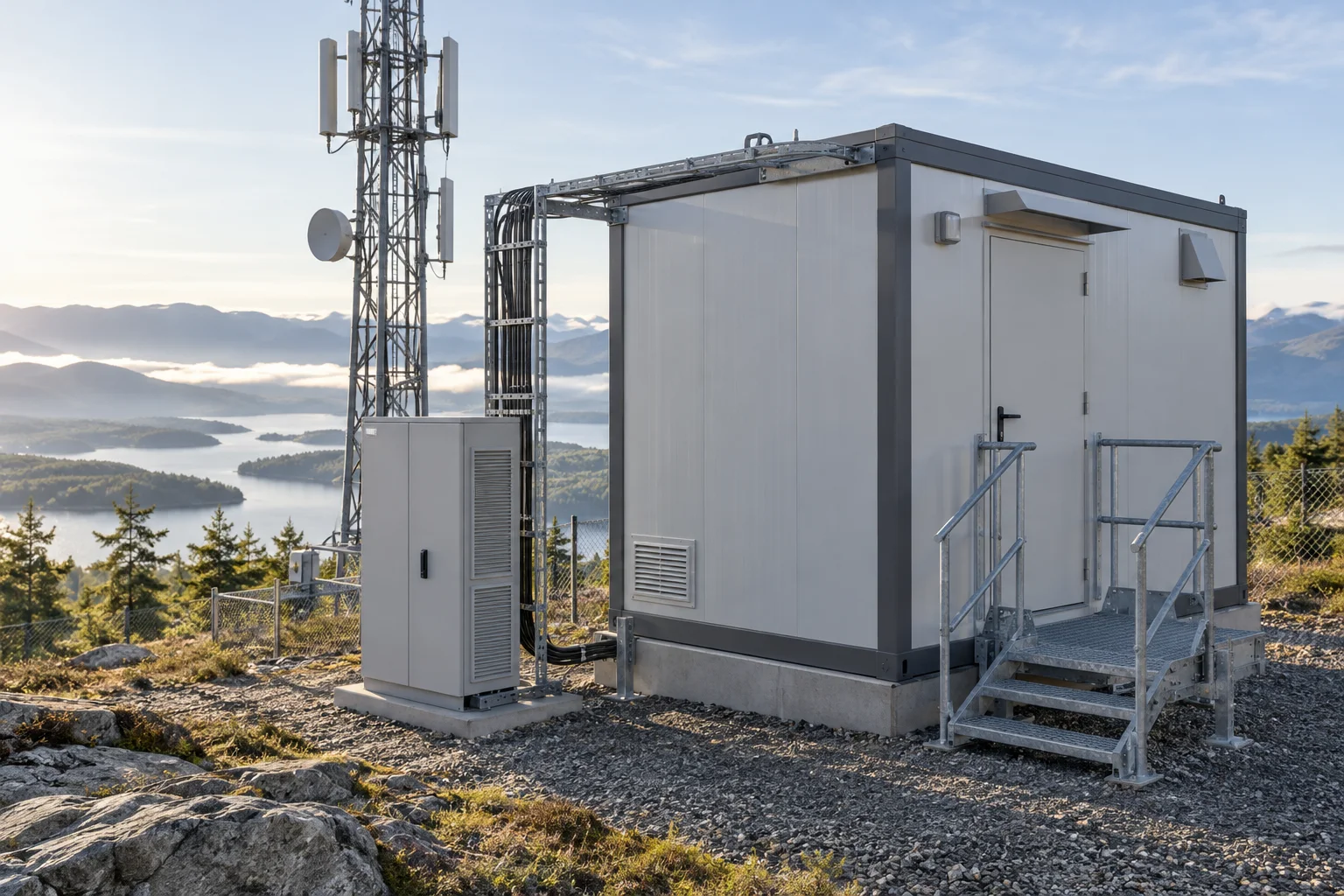
Access routes, equipment rooms and exposed field sites create different demands for cable construction, distribution space, service access and protection.
- FTTx and ODN: feeder, split, closure, distribution and subscriber termination.
- Campus and enterprise: backbone routes, building entry, patching and growth allowance.
- Industrial networks: protected pathways, robust cable and accessible field termination.
- Data and telecom rooms: racks, raceways, cable management and organized handover.
Fiber field notes
Recent Optical Network Resources
Browse practical references from the local article library for product research, route planning and installation checks.
Austrian Trough Cable Tray Construction
ARCOSYSTEM® fitted in Klagenfurt city, Austria | CCSThe elevated cable troughing ARCOSYSTEM® from Complete Composite Systems was expertly installed at some.
Brazilian Erbium-Doped Fiber Amplifier 800G
Agiltron Erbium-doped fiber amplifier (EDFA) provides cost-effective solutions for high-power optical amplification. It is built using semiconductor lasers, WDM, isolator, and erbium-doped fiber. The article explains…
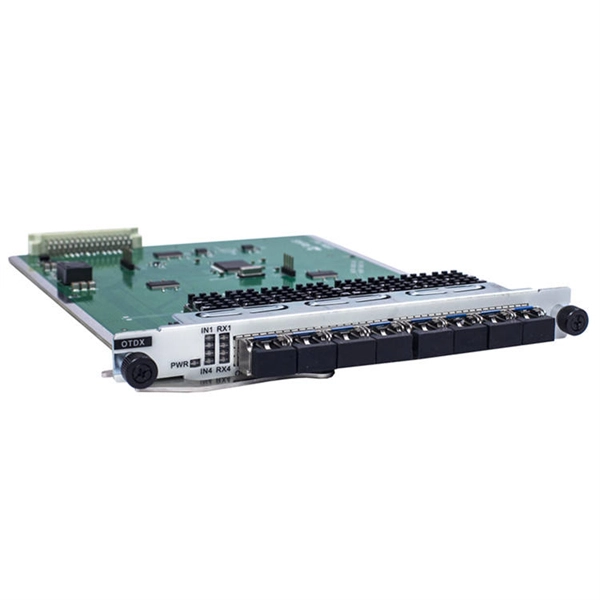
New Zealand Fiber Optic Cable Manufacturer
Top Fiber Optic Cable Manufacturing Companies in New ZealandDiscover all relevant Fiber Optic Cable Manufacturing Companies in New Zealand, including LAN C.
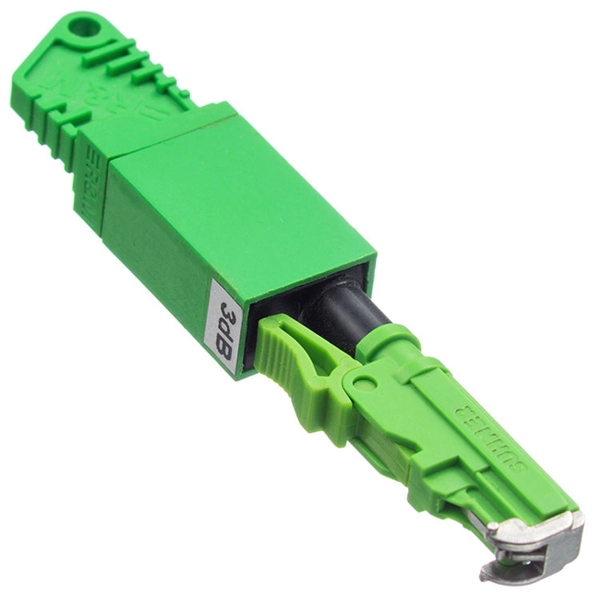
Ireland Cable Tray Factory
Cable Tray Browse our durable cable trays designed for efficient cable management in domestic and industrial settings. Ensure safety and organization with.
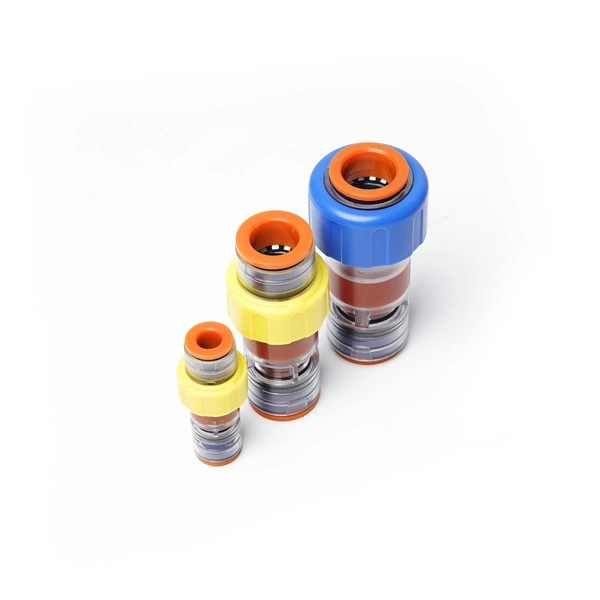
Is wavelength division multiplexing WDM widely used now
Wavelength-Division Multiplexing The use of wavelength division multiplexing (WDM) offers a further boost in fiber transmission capacity. The basis of WDM.
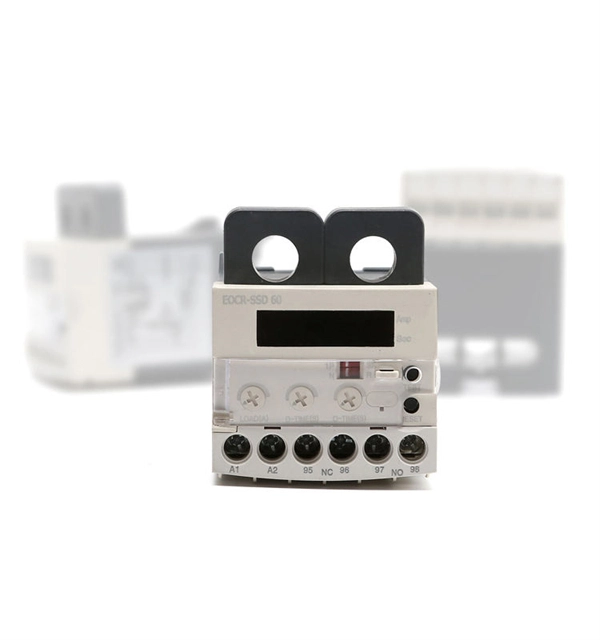
Use of Optical Cable Fittings
Does the Optical Cable Matter? Unraveling the Mystery Behind Audio Before using an optical cable across devices, it's important to check the specifications.
Frequently asked questions
Start with the Interfaces, Not the Product Name
These questions help turn a broad product request into information that can be checked against drawings and datasheets.
What information is needed before selecting communication infrastructure products?
Start with the site type, equipment load, fiber count, rack or cabinet space, input power, environmental exposure, cable entry and maintenance requirements. These details connect otherwise separate product choices into one workable site specification.
How are fiber distribution products different from passive optical components?
Distribution products provide protection, routing and access through boxes, frames, panels and closures. Passive optical components perform optical functions or complete connections, including splitters, adapters, attenuators, patch cords and wavelength devices.
What should be checked when specifying an outdoor telecom cabinet?
Confirm enclosure size, mounting method, ingress and corrosion protection, thermal management, cable glands, internal rack space, power distribution, grounding and the temperature range expected at the site.
Can one inquiry cover fiber, rack and telecom power requirements?
Yes. A combined equipment schedule is usually more useful because fiber routing, rack layout, power distribution, ventilation and maintenance clearance affect one another.
Are the articles a substitute for project engineering documents?
No. The resources are for preliminary product research. Final dimensions, ratings, interfaces and compliance requirements must be checked against current standards and project documentation.
Prepare a project brief
Request a Product ReviewTell Us What the Site Must House, Connect and Power
Share the deployment environment, fiber and port counts, rack space, electrical inputs and documentation requirements.