
Identify the question
Use the article to clarify terminology, product role and the variables that affect selection.
Use the library to frame cable, connector, distribution, installation and testing questions before comparing a product or system.
Each route leads to a focused topic page backed by the local article database.
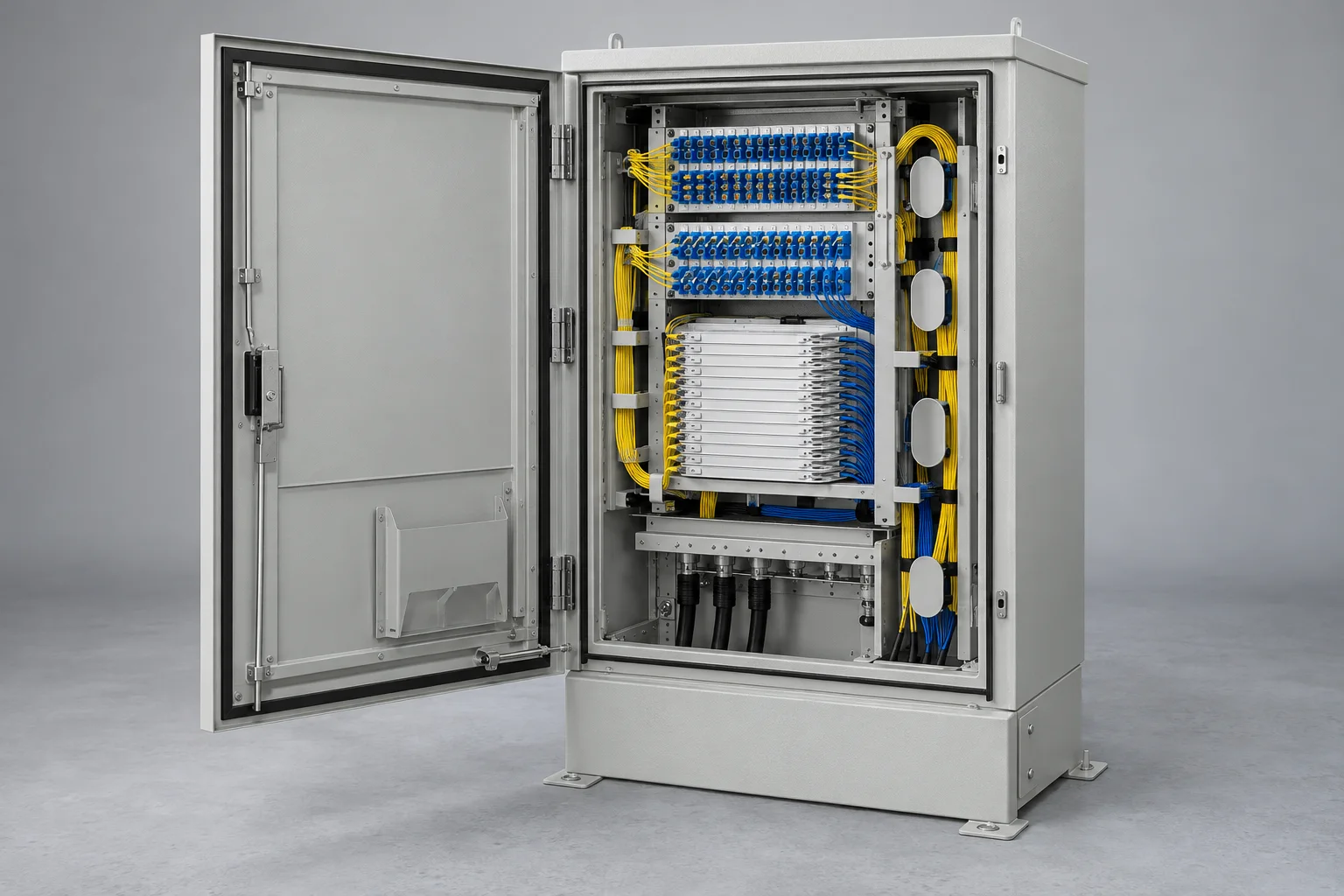
Map feeder, distribution and drop segments to boxes, frames, panels and closures.

Connect fiber count and category to pathway, strength, jacket, bend and fire requirements.
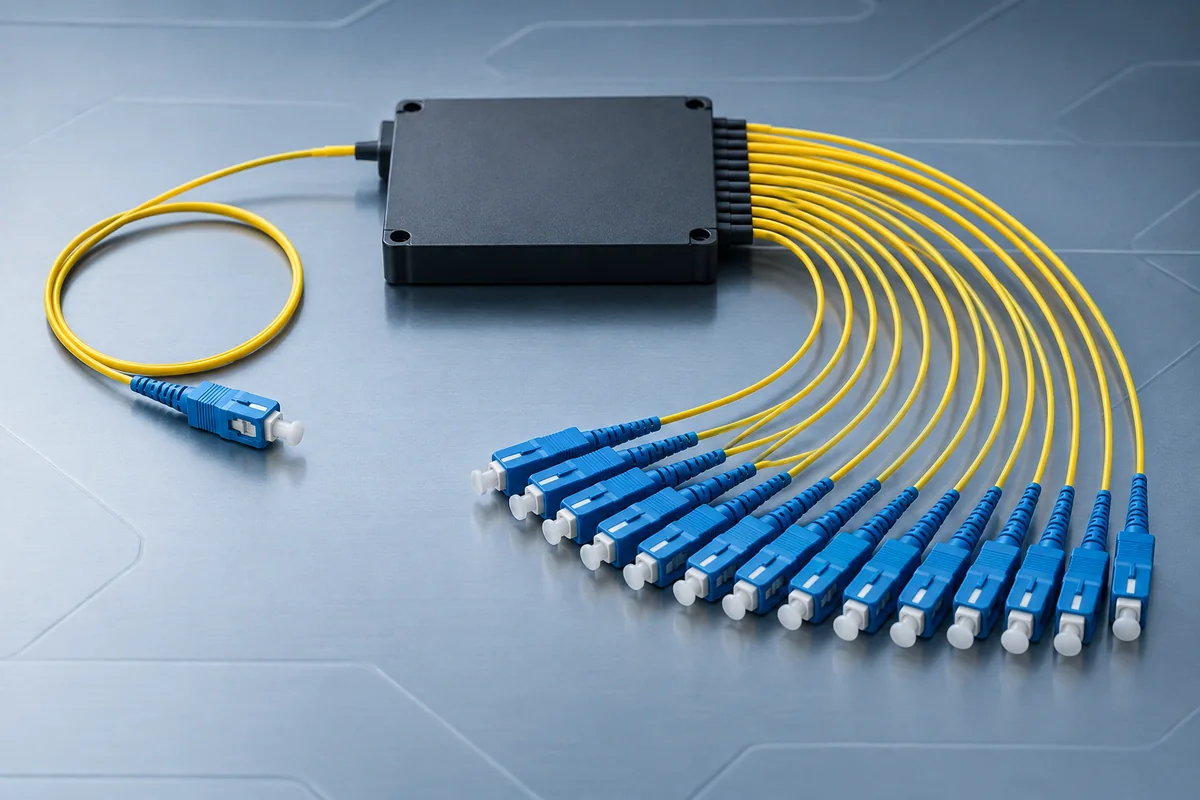
Review splitters, adapters, patch cords, attenuators and wavelength devices as one loss budget.
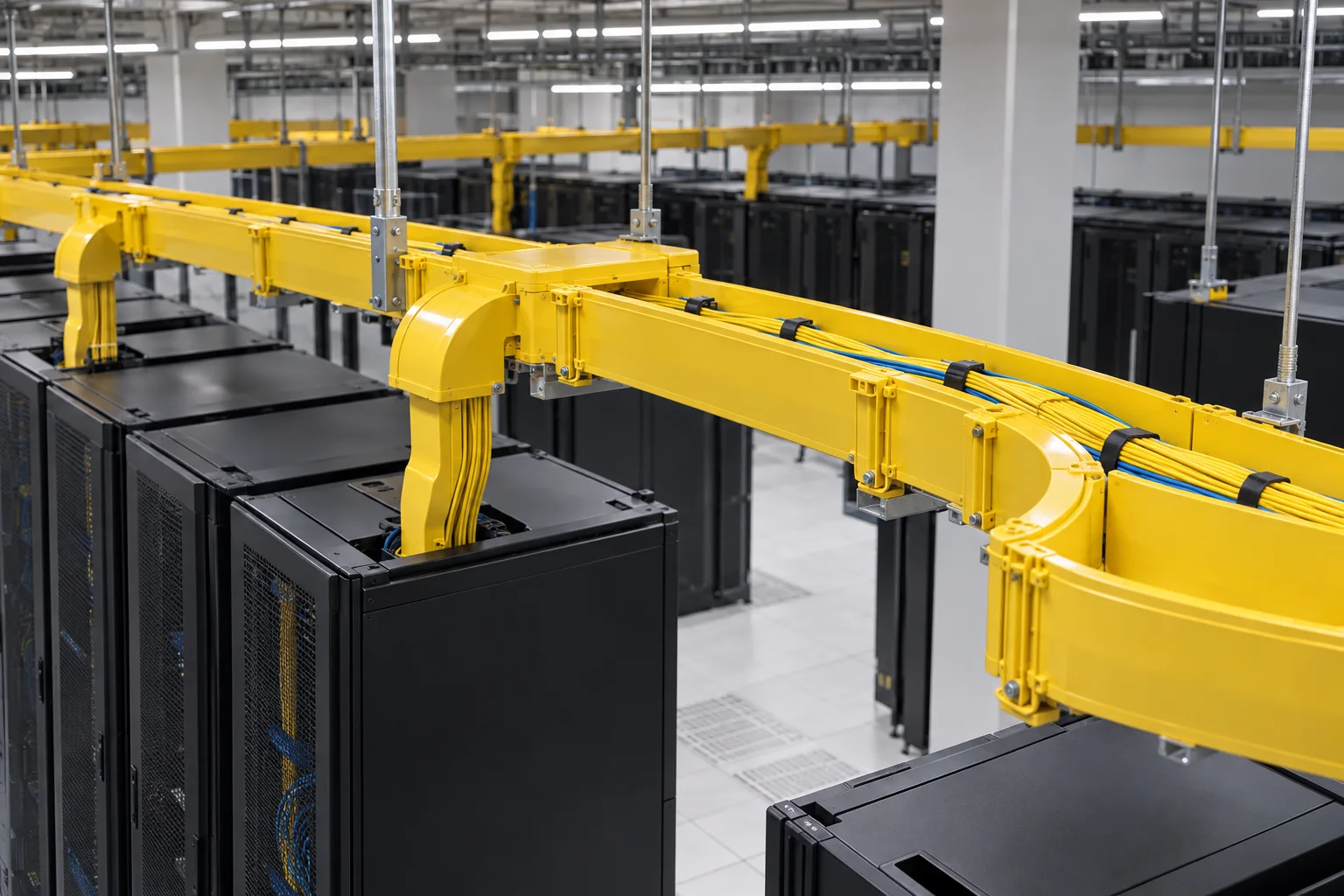
Turn the equipment list into rack units, depth, airflow, patching and pathway requirements.
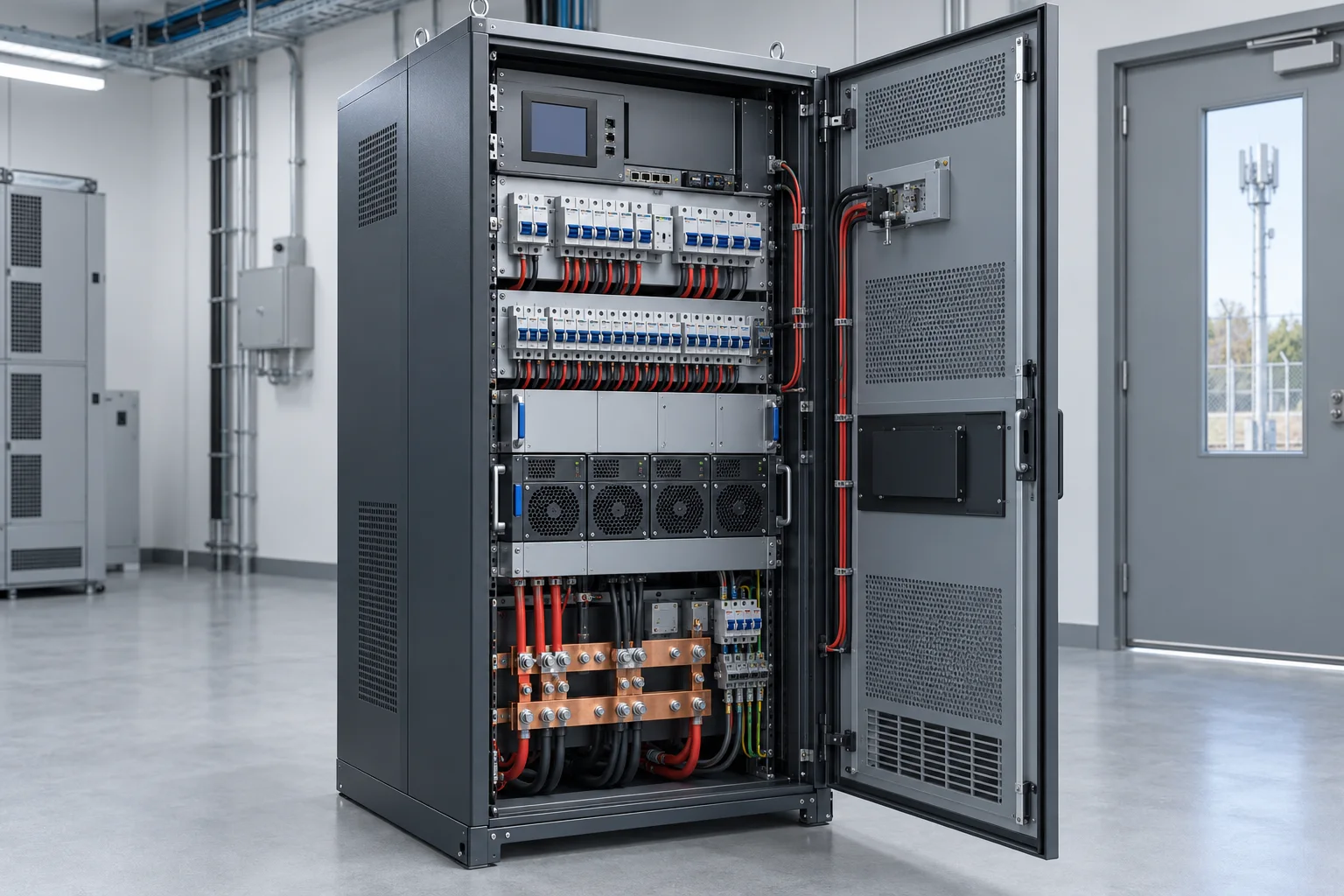
Create a load schedule before comparing rectifiers, controllers and branch protection.
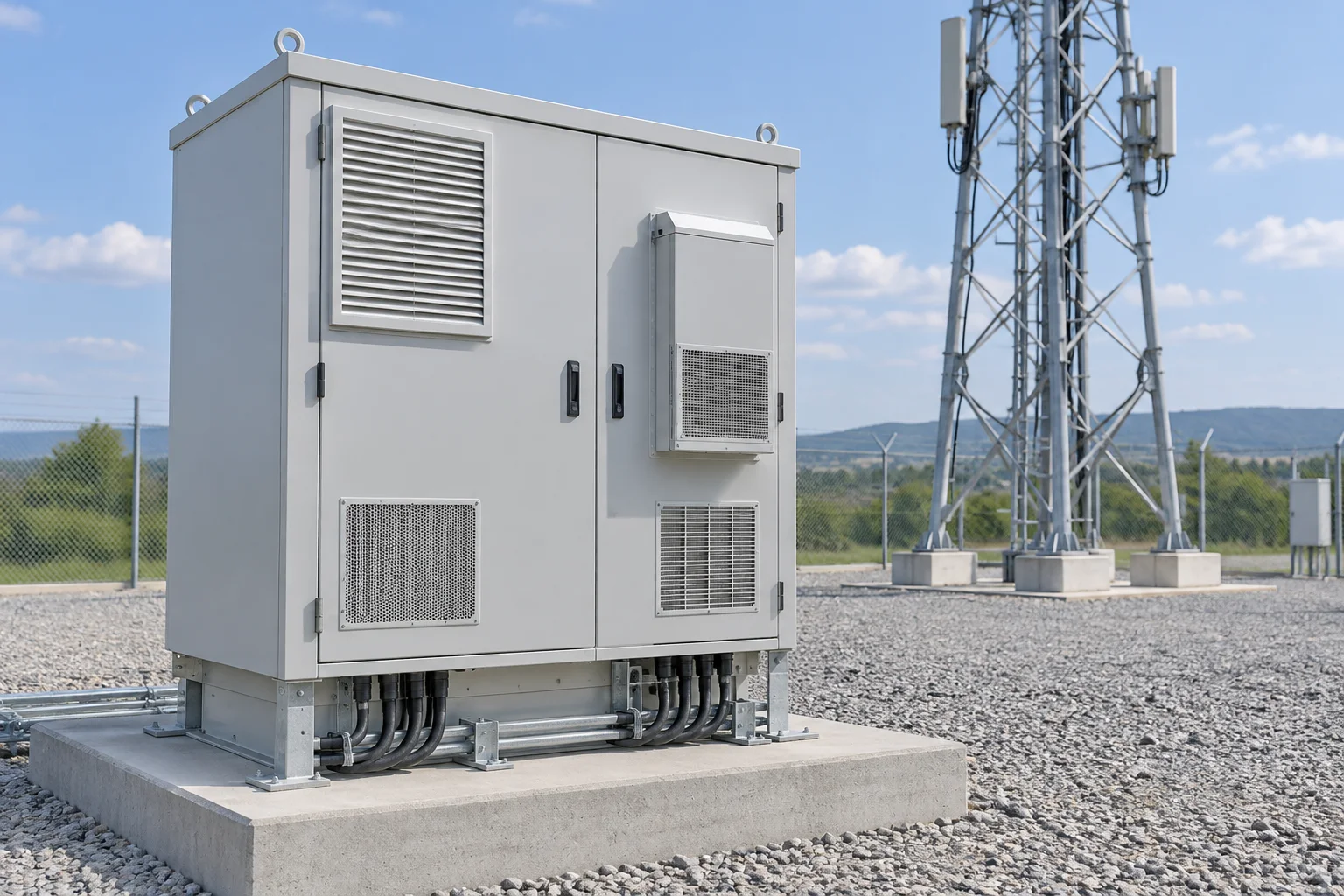
Connect enclosure construction, climate, cable entry, cooling and service access.
This compact matrix helps keep an inquiry focused without pretending that all categories use the same specification.
| Product system | Essential inputs | Commonly missed check |
|---|---|---|
| Fiber distribution | Fiber count, connector, trays, splitters, cable ports | Bend control and future fill |
| Fiber cabling | Route, fiber type, construction, jacket, installation | Pulling and fire requirements |
| Passive optics | Wavelength, interface, split or attenuation, package | Total insertion and return loss |
| Data center | Rack units, equipment depth, heat, pathways, PDU | Service clearance and cable growth |
| Telecom power | AC source, DC load, redundancy, circuits, monitoring | Protection and grounding coordination |
| Outdoor infrastructure | Climate, enclosure size, cooling, entries, mounting | Real maintenance access |
The search uses the existing local article index and does not call an external service on each request.
Search-derived articles can surface useful terminology and comparison points, but they do not replace current drawings, standards or manufacturer declarations.
Use the article to clarify terminology, product role and the variables that affect selection.
Standards, product ranges and interface support can change over time.
Use current datasheets, drawings and declared ratings for the actual equipment.
Keep the final interfaces and acceptance criteria in the project documentation.
A short context note helps distinguish a product search from an installation or troubleshooting question.