
What are the potential risks of not grounding a server rack?
Not grounding a grounded rack can result in various risks, including electrostatic discharge (ESD) that can damage sensitive electronic components,...
Search results for fiber, optical network, data center, telecom power and outdoor communications infrastructure topics.
Requirements for grounding length of temporary distribution boxesThis Grounding Standard describes the technical requirements for grounding the SEC Distrib.
[PDF Version]
Expert Guide: Selecting Temporary Power Distribution BoxesDifferent temporary power distribution boxes were selected for workshops, warehouses, and tank fa.
[PDF Version]
Grounding System Installation Standards for Distribution Boxes and. Whether you're a seasoned pro or just starting out, this comprehensive guide will giv.
[PDF Version]
Temporary Jobsite Power Setup: NEC & OSHA Compliance GuideAs federal and local regulations regarding jobsite safety evolve and become stricter, it's vital.
[PDF Version]
How To Properly Ground Your Server RackProper grounding of your server rack is essential for safety and Guide to Server Rack Grounding for Safe Rack Ground.
[PDF Version]
GROUNDING REQUIREMENTS FOR OUTDOOR Each Power Circuit Breaker or Power Transformer having a bushing Voltage Transformer on the tank shall have the Voltage.
[PDF Version]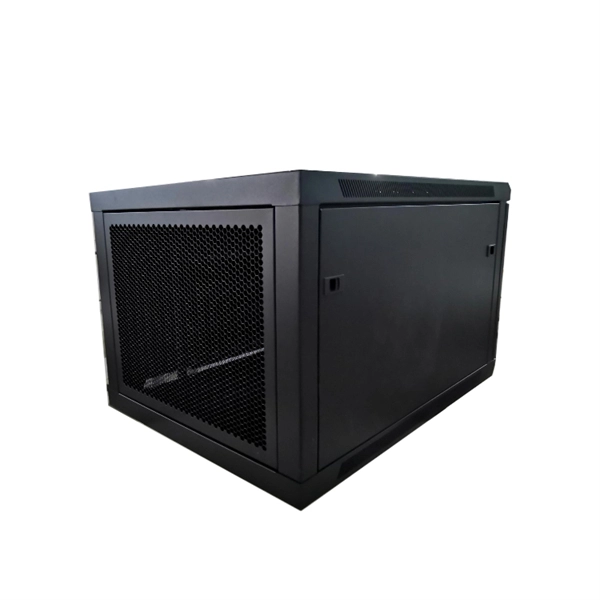
Fiber Testing Standards 2025 Guide for IEC and TIA Follow the latest IEC, TIA, and FOA fiber testing standards in 2025 to ensure your network stays reliabl.
[PDF Version]
GROUNDING_OF_METALLIC_COMPONENT_OF_CABLE copyAny cable that includes any conductive metal must be properly grounded and bonded in conformance with the comp.
[PDF Version]
The size of the grounding wire depends on the size of the circuit feeding the server rack. Generally, 6 AWG is sufficient, but it's crucial to consult the NEC or a qualified electrician to determine the appropriate size based on the circuit breaker amperage. For optimal performance, knowing how to ground your server rack is essential to ensure the safety and reliability of your IT equipment. Without it, you risk electrical shock, equipment. Bonding (or grounding) is a system of protective measures, which is implemented to prevent electric shocks when touching metal parts of energy-powered equipment. The whole structure consists of a metal circuit, a protect bus, and a ground wire. Network hardware is connected to PDUs and constantly. Therefore racks, cabinets, and other metal components in the data center should be bonded to the grounding system to reduce the risk created by electrical surges. Static electricity buildup and electrical surges can lead to component failure or data integrity issues without adequate grounding.
[PDF Version]Not grounding a grounded rack can result in various risks, including electrostatic discharge (ESD) that can damage sensitive electronic components,...
To determine if your server rack is properly grounded, you can use an electrical multimeter to measure resistance between the rack's ground connect...
Yes, there are different grounding methods for server racks. These methods include using grounding bars, grounding strips, and direct grounding cab...
There are industry standards and regulations for server rack grounding, often set by international and regional bodies. In the U.S., for instance,...
Use the inquiry form to describe the product category, application, interfaces, capacity and installation environment.